

How Much Are Sellers Really Making?
Property really can pay off, with home sellers in England and Wales making an average profit of £72,000
New analysis of Land Registry and Registers of Scotland data has revealed just how much sellers across the UK have been cashing in over the last 18 months. Spoiler: it depends a lot on where you live, what you own, and how long you’ve been there.
On average, sellers in England and Wales made £72,000 profit when selling their home (that’s the price of a new Tesla). That’s roughly a 38% boost on the price they originally paid. Not bad for simply living somewhere!
But the story isn’t the same everywhere. Some regions are true golden tickets, while others have been a little slower to reward homeowners.
London and the South East are the jackpot regions. Sellers here typically walked away with £130,000 and £94,000 profit respectively. To put that into perspective, £130,000 could buy you an average-priced home in 11 local authorities in the North. Talk about relocating with change to spare.
The reason? Higher property values, longer stays in homes, and strong price growth in the years before Brexit.
In contrast, the North East has been a tougher market. Sellers there made around £35,000 profit on average, which works out at about 26% of their original purchase price. This lower return reflects the region’s long recovery period following the 2008 financial crash, when prices took more than a decade to bounce back. However, on the plus side, the North East is now enjoying stronger-than-average price growth, driven by its relative affordability and increasing buyer demand.
|
Avg. gains during sale (£) |
Avg. gains during sale (%) |
Avg. time in property |
Median sold price |
|
|---|---|---|---|---|
|
London |
£130,000 |
35% |
10 |
£513,000 |
|
South East |
£94,000 |
35% |
9 |
£370,000 |
|
East |
£84,000 |
36% |
9 |
£330,000 |
|
South West |
£80,000 |
37% |
8 |
£303,000 |
|
West Midlands |
£70,000 |
41% |
9 |
£247,000 |
|
East Midlands |
£68,000 |
41% |
8 |
£243,000 |
|
Wales |
£65,000 |
45% |
9 |
£210,000 |
|
North West |
£62,000 |
42% |
9 |
£215,000 |
|
Yorkshire and the Humber |
£55,000 |
38% |
9 |
£205,000 |
|
Scotland |
£37,200 |
24% |
6 |
£154,700 |
|
North East |
£35,000 |
26% |
9 |
£165,000 |
|
England and Wales |
£72,100 |
38% |
9 |
£285,000 |
How long you stay matters
If you think the longer you live in your home, the more profit you’ll make when you sell…well, that’s mostly true. But there’s a twist.
Homeowners who sold after 10-15 years often saw bigger gains than those who stuck it out for 15-20 years. That’s because many long-stayers had the misfortune of owning during the global financial crisis when prices dipped.
In southern England and London, the classic rule applies: the longer you’ve owned, the more you’ve gained.
But in lower-value regions that saw a price boom after Covid, even those who sold after just a few years walked away with solid profits.

How often do people actually move?
Across the UK, the average homeowner stays in their property for 9 years before selling. But in London and the South East, that stretches to 10-11 years. Moving there is pricier (hello, stamp duty) and less affordable, so people stay put longer.
In commuter towns like Dartford, Slough, Watford, Enfield and Romford, the average time before moving is also around 9 years.
In big regional cities like Birmingham, Manchester and Leeds, people also tend to stay put longer than their neighbours.
What does this all mean?
Whether you’re thinking of selling, staying, or daydreaming about what your house could be worth, it’s clear that location and timing play huge roles in the kind of profit you can make.
Some sellers are unlocking enough money to buy a home outright elsewhere, while others are seeing more modest returns. With house price growth now slowing after several years of rapid increases, homeowners who bought more recently may not be looking at gains of £72,000 or more. Still, it’s a useful reminder of how much wealth can build up over time through property ownership.
Whether you’re sitting on a potential six-figure profit or something more modest, your home isn’t just a roof over your head; it’s quietly earning its keep in the background.
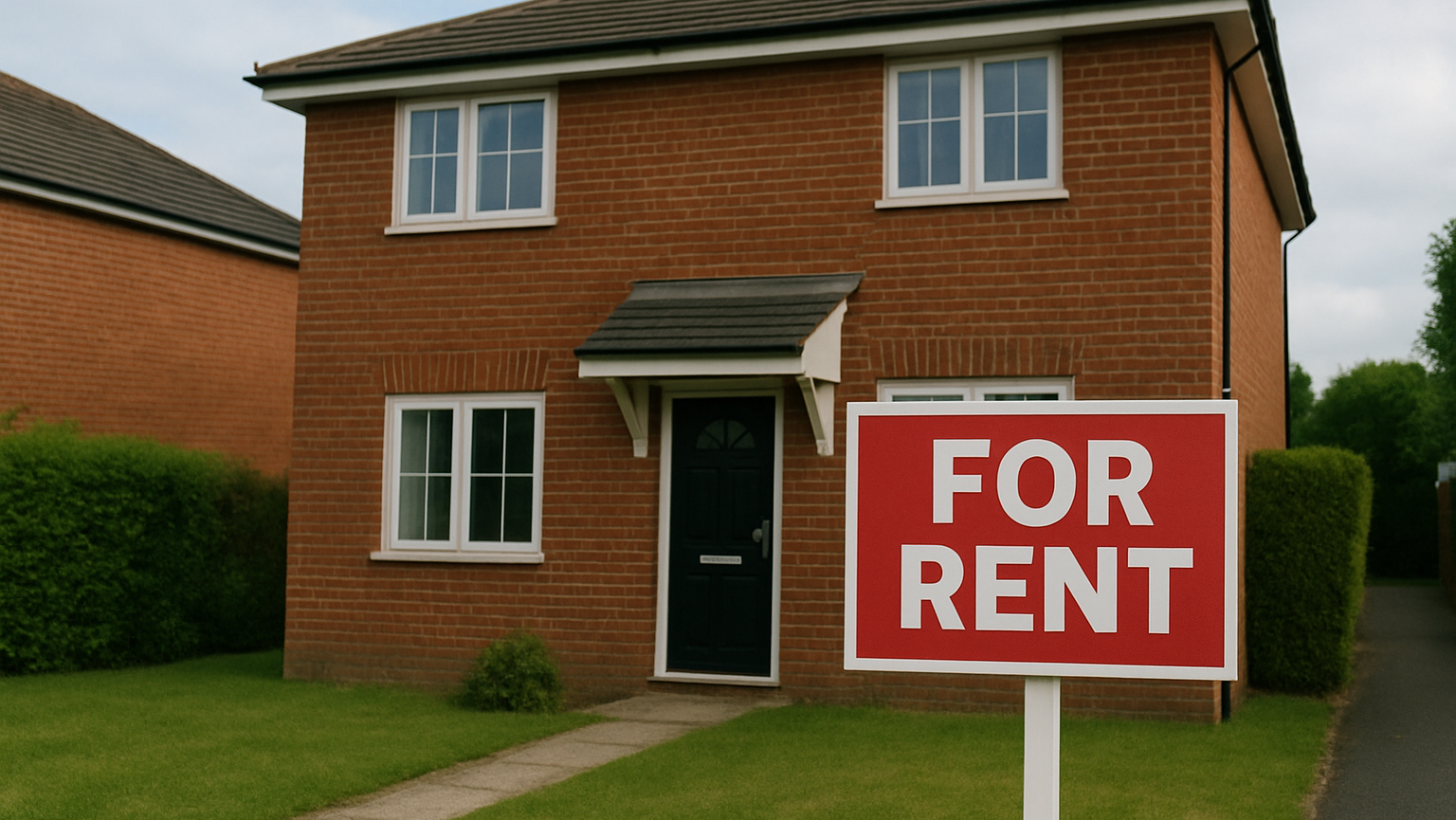
Self-Managing Your Rental? Here's How to Avoid Legal Nightmares and Bad Tenants
Shifting the Balance: Why Landlord Compliance is Now More Important Than Ever Under the Renters' Rights Bill.
The rental market is constantly evolving, and landlords must decide whether to manage their properties independently or hire a letting agent.
Despite the convenience and expertise offered by professional agents, nearly half of landlords still opt to handle things themselves.
This is particularly true of landlords with just one or very few homes. Government data shows that landlords with 5+ homes are far more likely to use an agent to manage their portfolio.
But are smaller landlords exposing themselves to increased risks, especially as the new Renters Rights Bill comes into law?
Cost savings a key factor in self-managing investment properties
Landlords often choose to self-manage rather than use letting agents for several reasons. The main factor is cost, as agent fees can typically take 10–17% of rental income.
Many also prefer having direct control over tenant relationships and property decisions. DIY platforms are making advertising, vetting and contracts easier without professional help. For landlords with just one or two properties, managing the workload themselves is often seen as more manageable.
The reality of self-managing your properties
When I hear that 50% of landlords still choose not to use a letting agent, I don’t scoff - I get it. Because I used to be one of them.
For many landlords, especially those with a single buy-to-let property or a couple of family homes, the case against using an agent seems straightforward: it seems expensive, it’s less personal between you and your tenants, and “how hard can it be?”
But here’s what I’ve learned the hard way, particularly in the HMO sphere.
Self-managing may seem like saving money - but often it’s just delaying the costs. And in some cases, the reality of getting it wrong can far outweigh the perceived savings.
Self-managing requires time, effort and knowledge of the 169 Acts and 402 Regulations that govern the private rented sector. Choosing the right letting agent can offer security and peace of mind, protecting landlords from making the most common, and often very expensive, mistakes.
Letting agents can be especially invaluable for inexperienced landlords or those with larger portfolios, HMO properties or simply busy schedules.
In reality, good management preserves profit, rather than eating into it.
A landlord’s desire to maintain control over their tenancies can also be a double-edged sword. Letting a property, owning a portfolio or running a HMO isn’t just about being available to fix a leaky tap - it’s about managing relationships and, oftentimes, disputes.
The growing importance of letting agents under the Renters' Rights Bill
The Renters' Rights Bill is set to become law in the next few months and will bring significant changes to the rental market, making compliance more crucial than ever.
The new bill introduces stricter obligations on landlords, covering everything from tenancy agreements to property safety standards. The margin for error is shrinking, and even minor, accidental mistakes could result in hefty fines.
With penalties for persistent breaches skyrocketing to an eye-watering £40,000, rent repayment orders increasing to two years’ worth of rent and the possibility of civil and criminal prosecutions, landlords must ensure they are fully aligned with regulations. This shift makes using a letting agent more valuable than ever before.
With stronger legal protections for tenants, landlords must be careful in handling disputes, evictions and rent arrears. Letting agents are skilled negotiators, familiar with the correct processes to avoid costly legal battles. Their expertise ensures that landlords can resolve issues efficiently and within the law.
While self-managing may have been feasible in the past, the increased risks and financial penalties make hiring a qualified letting agent a smart safeguard. Their knowledge, experience, and legal expertise could mean the difference between a smooth rental operation and costly legal trouble.
The line between passive income and full-time responsibility blurs quickly. The reality is: what seems manageable at first can quickly become overwhelming - especially as compliance standards grow more complex year by year.
I used to be a DIY landlord, adamant that I could go it alone. Today, I run a vertically integrated property business providing services to landlords like myself, because I realised it wasn’t about saving money - it was about building a model that works, legally, operationally and financially.
Letting a property is so much more than just the collection of rent. Landlords need, more than ever, a trusted partner who understands the complexity of private renting obligations, anticipates the risks and raises the bar.
Key takeaways
-
The impending Renters' Rights Bill makes compliance critical, with legal penalties rising significantly for breaches.
-
Self-managing often delays inevitable costs, as mistakes - such as skipping robust tenant referencing - can quickly lead to costly evictions and arrears.
-
The perceived savings are often negated by the financial risk of getting compliance wrong, which can far outweigh the cost of professional support.
-
A professional agent acts as a vital legal safeguard by expertly navigating the 169 Acts and 402 Regulations governing the sector, protecting landlords from significant legal trouble.
-
Alex Babouris and Julie Ford from our Lettings Advisory Board share their views on self-management versus using a letting agent.