Stamp duty holiday extension: everything you need to know
You can still save up to £2,500 in stamp duty if you buy a home before the end of September. Our guide has all the details.
The full stamp duty holiday has now drawn to a close but there’s still a tax break available on the first £250,000 of a property purchase until the end of September.
Chancellor Rishi Sunak extended the stamp duty holiday earlier this year. It meant that buyers in England and Northern Ireland would not have to pay stamp duty on the first £500,000 of property if they complete – in other words, legally transfer ownership – before 30 June 2021.
To avoid a ‘cliff edge’ at the end of this period, the threshold at which stamp duty kicks in then dropped from £500,001 to £250,001 until 30 September 2021.
Normal stamp duty rates will apply from 1 October 2021.
It’s worth remembering that there’s stamp duty relief available for first-time buyers beyond the current stamp duty holiday.
So is there still time to take advantage of the stamp duty holiday?
Yes, there’s still a window of opportunity to secure a stamp duty saving. But if you're looking to complete on your property purchase by the end of September, when the tax break is wound down completely, you'll need to have your ducks in a row well beforehand.
In a normal year, it would take on average three months from a sale being agreed to completion. But given the uptick in activity over the past year, the average time it takes for a sale to cross the line is now four months.
There's a number of ways to boost your chances of buying in time, from staying in close contact with your conveyancer, to buying a property via an auctioneer.
As the full stamp duty holiday on the first £500,000 of a property’s purchase price drew to a close at the end of June, We calculated that over 50,000 buyers in England could have been at risk of missing out on the maximum savings due to extreme pressure on and delays to the transaction pipeline.
Head of research, explained: "The busy market is being driven by a once-in-a-generation re-assessment of home as a result of the pandemic.
"This has led hundreds of thousands of households to reflect on how and where they want to live – and they are making a move as a result, with family houses most in demand.
"This trend has been certainly boosted by the stamp duty savings on offer due to the stamp duty holiday, but levels of sales activity in recent months have remained high, with many of these buyers now only expecting the lower, tapered, stamp duty exemption of up to £2,500 because of the longer timeframe to complete a sale."
The Chancellor originally announced the stamp duty holiday in July 2020 to help kickstart the housing market in England and Northern Ireland following the first national lockdown.
The tax break, combined with many people carrying out a ‘once-in-a-lifetime’ re-assessment of their housing needs in the face of the pandemic, triggered a mini home buying boom.
But the steep spike in housing transactions led to a congested sales pipeline and the home buying process taking longer than usual.
We estimated that around 70,000 people who agreed sales in 2020 were in danger of missing the 31 March deadline.
And a petition calling for the stamp duty holiday to be extended received more than 100,000 signatures, triggering a debate to be held in Parliament in February.
What are the stamp duty rates from 1 October 2021?
The former stamp duty rules will apply from 1 October 2021. This means buyers can be charged between 2% and 12% tax (or up to 17% if they are a foreign investor) on their property purchase, depending on the value of the home they are buying and if they own more than one property.
Stamp duty is calculated as a percentage of the property you are buying. It applies to freehold and leasehold properties, whether you’re buying outright or with a mortgage.
For existing homeowners, the rates are:
- 0% up to £125,000
- 2% on £125,001 - £250,000
- 5% on £250,001 - £925,000
- 10% on £925,001 - £1.5m
- 12% on any value above £1.5m
For example, if you buy a flat for £275,000, the stamp duty you owe would be:
- 0% on the first £125,000 = £0
- 2% on the next £125,000 = £2,500
- 5% on the final £25,000 = £1,250
Total stamp duty = £3,750
Read our guide to find out more about stamp duty and how it's calculated.
Landlords and second-home owners
For owners of more than one property, a surcharge of 3% on top of the standard stamp duty rates apply.
However, if you sell a home within three years of purchasing a second property, you can apply for a refund of that 3%.
It is also possible under some circumstances to claim multiple dwellings relief.
Dig into the detail in our Q&A on the 3% surcharge.
Non-UK residents
There’s been an additional 2% stamp duty levy on non-UK residents who buy property in England and Northern Ireland since April 2021.
It means that international buyers of second homes could pay up to 17% tax on expensive properties.
The 2% is on top of standard rates and in addition to the 3% surcharge for any investors who own property elsewhere.
First-time buyers
First-time buyers are exempt from paying regular stamp duty on properties costing up to £300,000 and pay 5% on the value of a property between £300,000 and £500,000.
A first-time buyer will pay:
- 0% on the first £300,000
- 5% on the remainder up to £500,000
So a first-time buyer purchasing a £275,000 flat would pay no stamp duty.
For a house costing £475,000, a first-time buyer would pay:
- 0% on the first £300,000 = £0
- 5% on the final £175,000 = £8,750
Total stamp duty = £8,750
However, if the purchase price is more than £500,000, first-time buyers cannot claim the relief and must pay the standard rates.
For example, a property purchased at £700,000 would result in a stamp duty bill totalling £25,000 even for a first-time buyer.
Stamp duty relief was introduced in November 2017 to help people step onto the property ladder.
Our guide on the first-time buyer exemption has more detail.
When do you pay stamp duty?
You must pay stamp duty within 14 days of completing your property purchase. Your solicitor or conveyancer will usually file this return and transfer the money on your behalf.
What other government support is available?
The government has a number of schemes available to help buyers. They include:
- First Homes, which offers local first-time buyers and key workers a 30% to 50% discount on the purchase of their first home
- Mortgage guarantee, under which buyers can take out a 95% mortgage, with the government acting as guarantor
- Help to Buy, which offers an equity loan to buyers with a 5% deposit
- Shared Ownership, a part-buy, part-rent scheme.
It's also a good idea to check out the initiatives and allowances you could benefit from this tax year.
What about stamp duty in Scotland and Wales?
Housing is a devolved issue in Britain so stamp duty only applies in England and Northern Ireland.
Scotland and Wales have equivalent taxes. Similar breaks were introduced but have now ended.
Scotland
In April 2015, stamp duty was replaced by Land and Buildings Transaction Tax (LBTT).
In Scotland, the LBTT rates are:
- 0% up to £145,000
- 2% on £145,001-£250,000
- 5% on £250,001-£325,000
- 10% on £325,001-£750,000
- 12% on any value above £750,000
First-time buyers pay no LBTT up to £175,000.
Wales
Property owners in Wales have paid Land Transaction Tax (LTT) since April 2018.
LTT rates are:
- 0% up to £180,000
- 3.5% on £180,001-£250,000
- 5% on £250,001-£400,000
- 7.5% on £400,001-£750,000
- 10% on £750,001-£1.5m
- 12% on any value above £1.5m
The Welsh government introduced an additional charge for second-home owners.
Second home-owners now pay a 4% levy when they buy homes up to £180,000, rising to 16% for homes worth £1.6m or above.

Stamp duty holiday explainer
The full stamp duty holiday on the first £500,000 of a property’s purchase price may now be over but you could still benefit from the tax cut. Our guide explains how.
Stamp duty rates have now changed as the Chancellor’s tax holiday starts to be wound down.
The threshold at which stamp duty kicks in has dropped from £500,001 to £250,001 until 30 September 2021.
It will then fall back to its usual level of £125,001 on 1 October 2021.
Here’s our guide with more detail on what exactly the stamp duty holiday is – and how you could still benefit from it.
First of all, what is stamp duty?
Under normal circumstances, buyers must pay stamp duty when buying a home or a piece of land worth £125,001 or more in England and Northern Ireland.
It is charged on a tiered basis (so you only pay the higher rates on the slice above any threshold – the same as income tax).
These are the rates:
- Up to £125,000: 0%
- On the portion from £125,001 to £250,000: 2%
- On the portion from £250,001 to £925,000: 5%
- On the portion from £925,000 to £1.5m: 10%
- Above £1.5m: 12%
There are exemptions available for first-time buyers beyond the current stamp duty holiday. They don’t have to pay stamp duty on the first £300,000, so long as the home doesn’t cost more than £500,000.
Meanwhile, people buying additional property for £40,000 or more, such as second homes, pay an extra 3% of stamp duty on top of regular stamp duty rates. The surcharge effectively works as a slab tax. In other words, the 3% loading applies to the entire purchase price of the property.
There’s also been an additional 2% stamp duty levy on non-UK residents who buy property in England and Northern Ireland since April 2021.
Find out more in our guide on stamp duty and how to calculate it.
So how does the stamp duty holiday work?
The Chancellor, Rishi Sunak, unveiled a stamp duty holiday last July in a bid to boost the housing market after the first national lockdown.
He raised the threshold at which buyers start paying stamp duty with immediate effect, from £125,001 to £500,001, in England and Northern Ireland.
It meant that nearly nine out of 10 transactions were no longer subject to stamp duty, with the average bill falling by £4,500.
These are the full stamp duty holiday rates:
- Up to £500,000: 0%
- On the portion from £500,001 to £925,000: 5%
- On the portion from £925,001 to £1.5m: 10%
- Above £1.5m: 12%
And here's our handy interactive table revealing the savings on offer under the stamp duty holiday on the first £500,000 of property.
The stamp duty holiday was set to run until 31 March 2021. But in the Budget earlier this year, Sunak moved the deadline until the end of June 2021.
And to avoid a ‘cliff edge’ when this period ended, the threshold at which stamp duty kicks in then dropped from £500,001 to £250,001 until 30 September 2021.
The 3% stamp duty surcharge applies on top of the stamp duty holiday rates. This still results in a saving, because the 3% rate is normally applied on the first £125,000, with higher rates above that.
Similar ‘holidays’ were introduced last year in Scotland and Wales, where the property tax is different. But both have now ended.
The Scottish government increased the threshold of its Land and Buildings Transaction Tax (LBTT) from £145,000 to £250,000.
And the Welsh government raised the threshold of its Land Transaction Tax (LTT) from £180,000 also to £250,000.
Why was the stamp duty holiday extended?
The stamp duty holiday, combined with many people reassessing their homes and lifestyles during the pandemic, prompted a jump in housing transactions.
It led to a congested sales pipeline and the home buying process taking longer than usual.
As a result, around 70,000 people who agreed sales in 2020 were in danger of missing the 31 March deadline, according to our research.
And a petition calling for the stamp duty holiday to be extended received more than 100,000 signatures, triggering a debate to be held in Parliament in February.
Can you still take advantage of the stamp duty holiday?
Yes, there’s still scope to save up to £2,500 if you complete before the end of September, when the stamp duty holiday is wound down completely.
It’s worth noting that in a normal year, it would take on average three months from a sale being agreed to completion. But given the uptick in activity over the past year, the average time for a sale to cross the line is now four months.
The good news is that there’s a number of ways to boost your chances of meeting the final deadline, from staying in close contact with your conveyancer, to buying a property via an auctioneer.
Head of research explained: "The busy market is being driven by a once-in-a-generation re-assessment of home as a result of the pandemic.
"This has led hundreds of thousands of households to reflect on how and where they want to live – and they are making a move as a result, with family houses most in demand. "This trend has been certainly boosted by the stamp duty savings on offer due to the stamp duty holiday, but levels of sales activity in recent months have remained high, with many of these buyers now only expecting the lower, tapered, stamp duty exemption of up to £2,500 because of the longer timeframe to complete a sale."
Tell me a bit about the background of stamp duty
The government introduced historic reforms to stamp duty in 2014. It saw the method of calculating the tax change - as well as the rates (Scotland followed with changes in 2015).
This effectively cut the tax bill on homes worth up to £940,000 (which account for more than 95% of households) but cranked up the charges for more expensive properties.
In 2009, the most expensive stamp duty band was 4%. This is now 12%, rising to 17% for overseas buyers purchasing in England from April.
New-build home development hits 21-year high
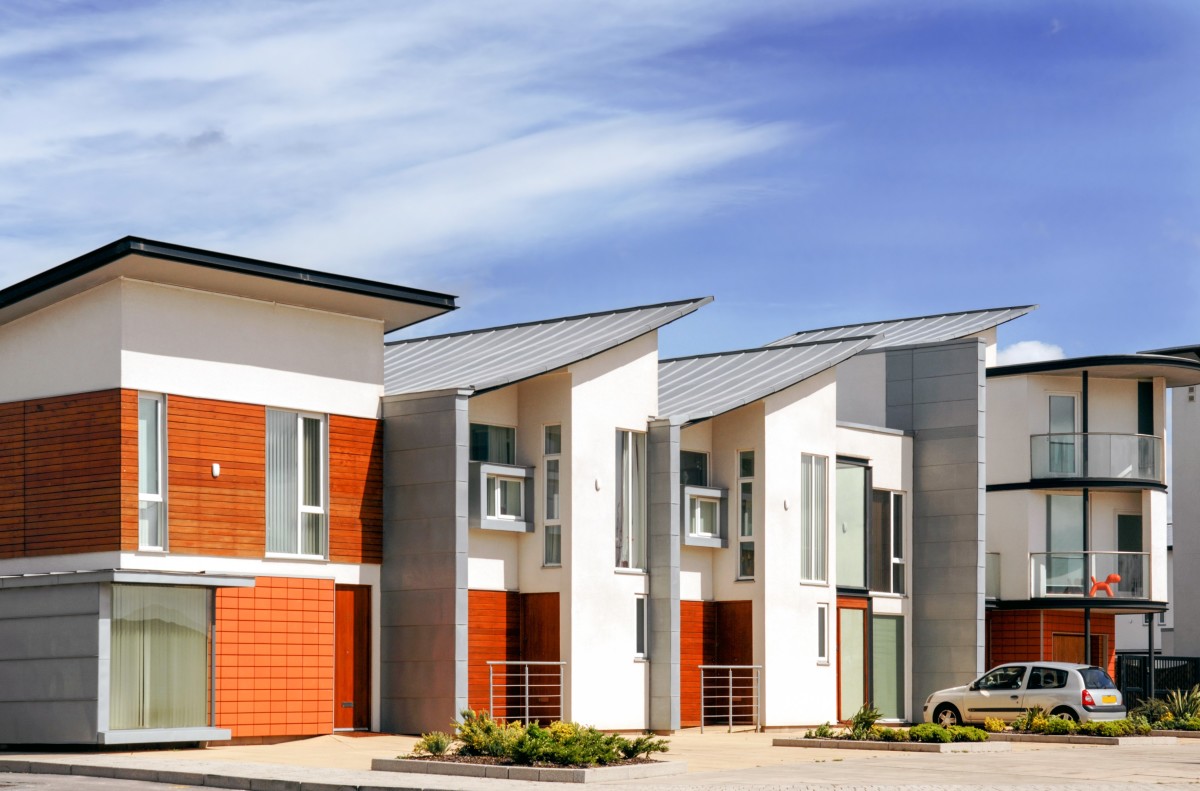
The number of new homes being built in England hit a 21-year high in the first quarter of this year. And 81% of them are houses.
The new homes industry got off to a flying start this year as it continued to recover from Covid-19 disruption.
A total of 49,470 properties were completed between January and March, the highest level since figures were first collected in their current format in 2000.
Meanwhile, the number of houses in development accounted for 81% of all new builds, the highest proportion since 2000/01.
There was also a steep jump in the number of new-build starts, with the first phase of construction hitting a near-15 year high, according to the Ministry of Housing, Communities and Local Government.
Why is this happening?
The housebuilding industry was hit hard in the early stages of the pandemic, when construction sites were forced to close during lockdowns.
But the Government has since introduced a range of measures to enable building to continue, while also keeping workers safe, including allowing builders to negotiate flexible working hours on construction sites with their local council.
The measures have led to a steady increase in the number of new homes being completed, since a low point in the second quarter of last year.
Who does it affect?
The Covid-19 pandemic has seen people undertake a once-in-a-lifetime reassessment of their housing needs, as they search for more space following successive lockdowns.
The good news for potential buyers who want to purchase a new-build property is that 81% of homes completed during the first quarter were houses, rather than flats, the highest level since 2000/01.
In regional terms, the proportion of new homes being completed was highest in the South East, East Midlands and East of England, while new-build starts were highest in the South West and East of England.
The jump in new properties being built particularly benefits first-time buyers, who can use the Help to Buy scheme to purchase a new-build home with just a 5% deposit.
What’s the background?
It has previously been estimated that the UK needs between 240,000 and 340,000 new homes a year to keep pace with rising demand.
Only 155,960 new homes were completed in the year to the end of March, 11% fewer than in the previous 12 months, as Covid-19-related disruption continued to impact figures.
Before the pandemic struck, the number of new homes being built had been on a steady upward trend since 2014.
But building new homes is only one way in which properties are added to the available housing stock.
Residential properties are also created through the conversion of existing buildings, such as factories, offices and farm buildings into homes, or dividing large houses into flats.
In the year to the end of March, applications for Energy Performance Certificates on new dwellings totalled 220,730, suggesting the overall increase in homes in England was significantly higher than just the new-build figures suggest.
Top three takeaways
- The number of new homes being built in England hit a 21-year high during the first quarter as the industry continued to recover from Covid-19 disruption
- A total of 49,470 properties were completed during the three months to the end of March, the highest level since the figures began being collected in their current form in 2000
- Houses accounted for 81% of all new properties built, the highest proportion since 2000/01